Why us
TOENERGY brings people a more green and sustainable life while advancing global environmental protection.
TOENERGY Production Worldwide
TOENERGY company has multiple manufacturing bases, overseas warehouses, and distribution centers in China, Malaysia, and the United States
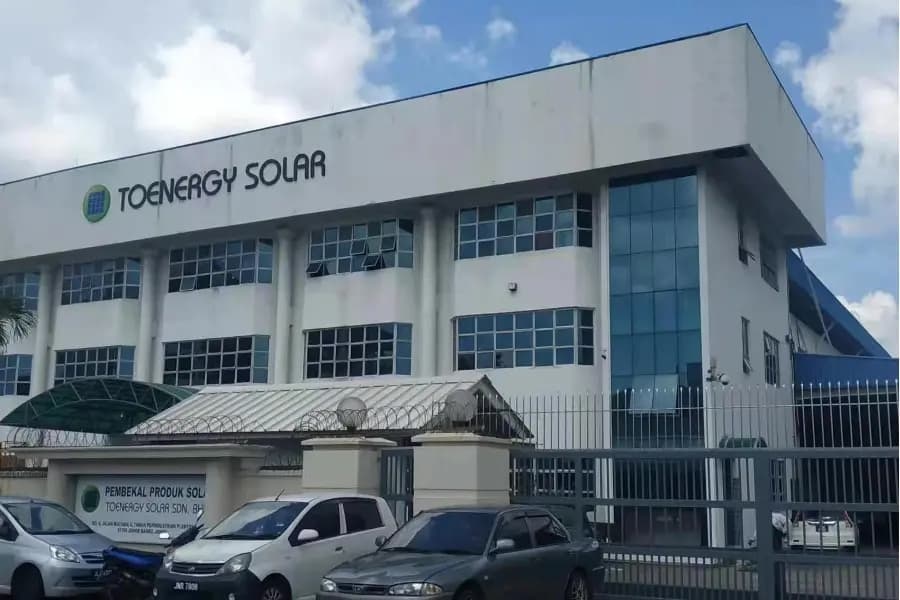
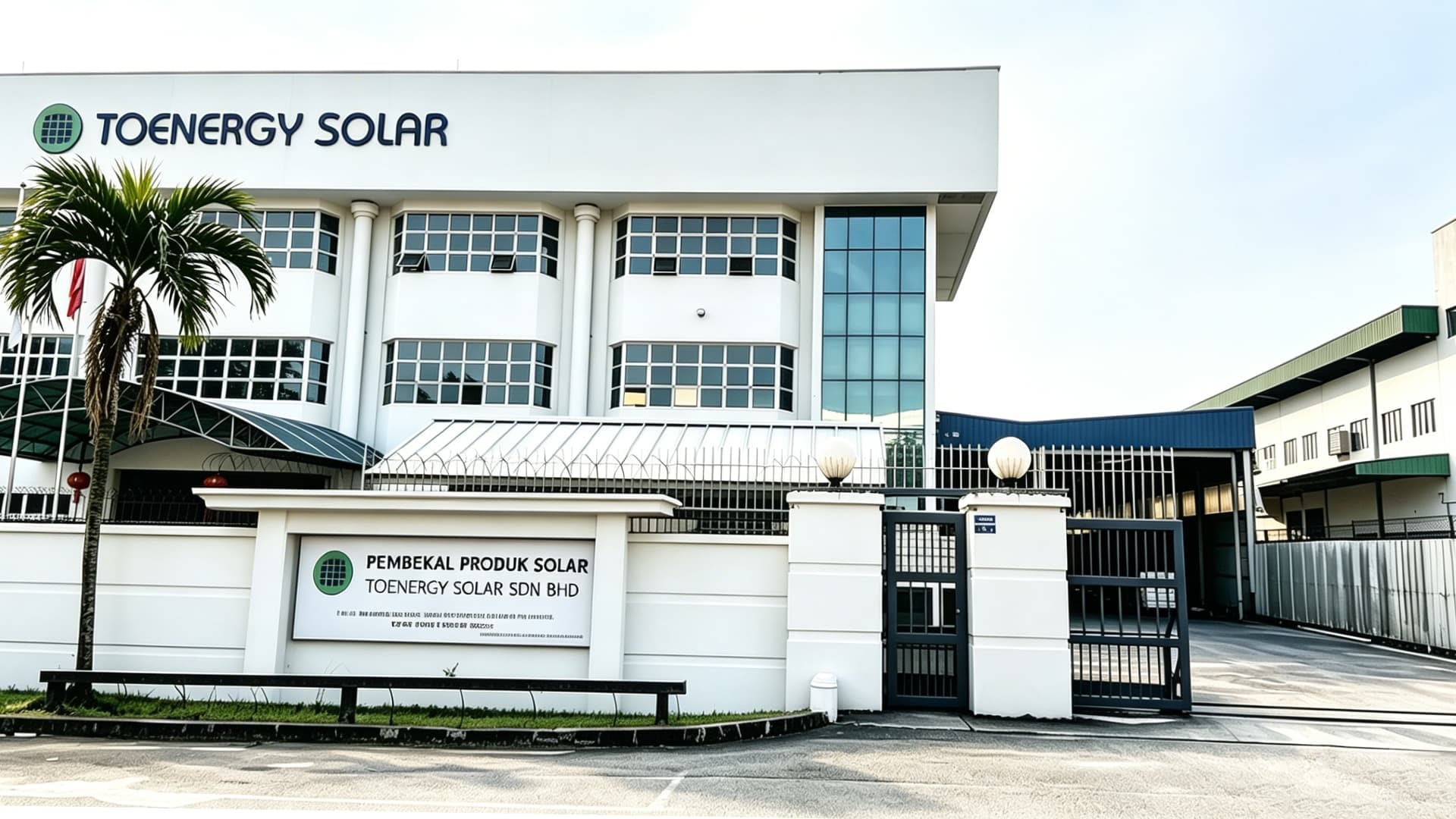
TOENERGY Malaysia
TOENERGY SOLAR SDN. BHD specializes in developing high-efficiency solar panels, especially customized solar panels. Our products are designed to cater to both commercial and residential needs, ensuring accessibility and affordability.
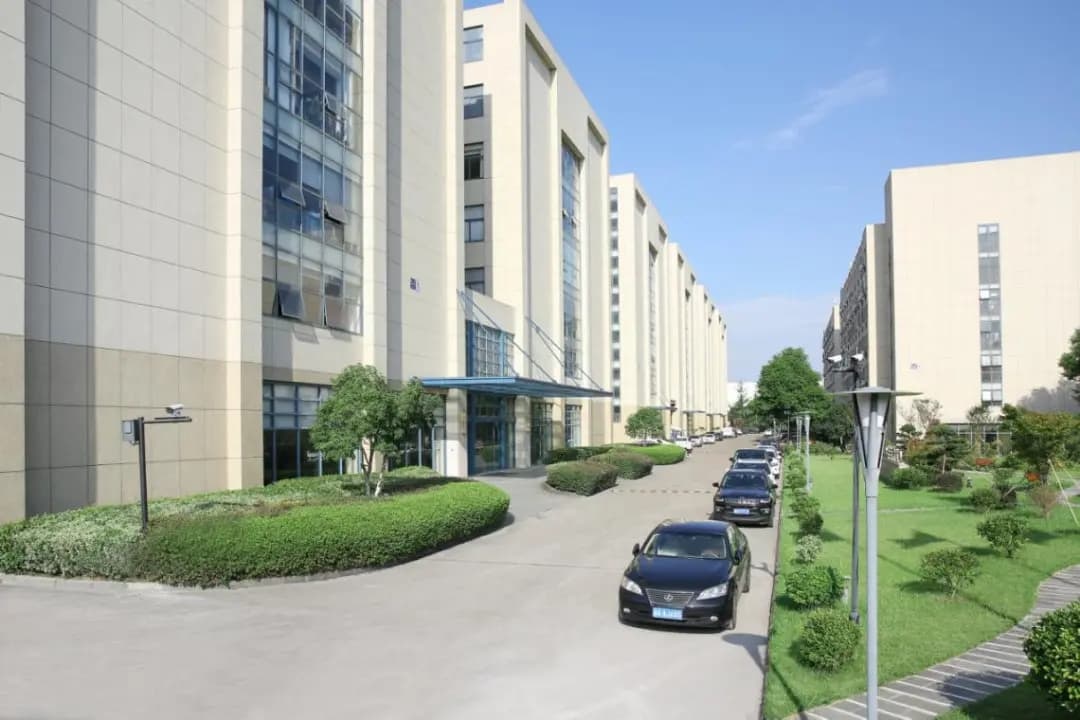
TOENERGY China
TOENERGY China founded in 2012, is a global and innovative manufacturer of high-performance photovoltaic products. The company strategically focuses on the integrated R&D, manufacturing of photovoltaic products, and providing the one-stop solution for the photovoltaic power station. and has been occupying a global leading position in the smart module for solar tracker segment's market

TOENERGY USA
Toenergy Technology Inc. continues its global expansion with a planned U.S. manufacturing facility. Scheduled for mass production in July 2024, this strategic investment will bolster our North American supply chain while supporting our international growth objectives Toenergy Technology Inc.
Global supply chains
TOENERGY's global supply chain network combines advanced manufacturing, overseas warehouses, and regional distribution centers to ensure efficient logistics, reliable delivery, and consistent product availability worldwide.

Modules
Customized module are available to meet the special demands of customers, and are in compliance with the relevant industrial standards and test conditions. During the sales process, our salespersons will inform customers of the basic information of the ordered modules, including mode of installation, conditions of use, and the difference between conventional and customized modules. Similarly, agents will also inform their downstream customers of the details about the customized modules.
We offer black or silver frames of modules to meet customers' requests and the application of the modules. We recommend attractive black-frame modules for rooftops and building curtain walls. Neither black nor silver frames affect the energy yield of the module.
Perforation and welding are not recommended as they may damage the overall structure of the module, to further result in a degradation in mechanical loading capacity during the subsequent services, which may lead to invisible cracks in modules and therefore affect the energy yield.
The energy yield of module depends on three factors: solar radiation (H--peak hours), module nameplate power rating (watts) and system efficiency of system (Pr) (generally taken at about 80%), where the overall energy yield is the product of these three factors; energy yield = H x W x Pr. The installed capacity is caculated by multiplying the nameplate power rating of a single module by the total number of modules in the system. For example, for 10 285 W modules installed, the installed capacity is 285 x 10 = 2,850 W.
Energy yield improvement achieved by bifacial PV modules compared to conventional modules depends on ground reflectance, or albedo; the height and azimuth of the tracker or other racking installed; and the ratio of direct light to scattered light in the region (blue or gray days). Given these factors, the amount of improvement should be assessed based on the actual conditions of the PV power plant. Bifacial energy yield improvements range from 5--20%.
Toenergy modules have been rigorously tested and are able to withstand typhoon wind speeds up to Grade 12. The modules also have a waterproof grade of IP68, and can effectively withstand hail of at least 25 mm in size.
Monofacial modules have a 25-year warranty for efficient power generation, while bifacial module performance is guaranteed for 30 years.
Bifacial modules are slightly more expensive than monofacial modules, but can generate more power under the right conditions. When the rear side of the module is not blocked, the light received by the rear side of the bifacial module can significantly improve energy yield. In addition, the glass-glass encapsulation structure of the bifacial module has better resistance to environmental erosion by water vapor, salt-air fog, etc. Monofacial modules are more suitable for installations in mountainous regions and distributed generation rooftop applications.